

I am feeling inspired by a different kind of business success story than the ones I’m used to hearing. It’s the story of John O’Nolan and Ghost—a story where purpose and internal direction led to success, integrity, and authenticity. Not a business plan or market research. Not following previously written roadmaps.
Now, O’Nolan is strengthening independent journalism, the free software movement, and a sustainable business, all working together in a positive reinforcement cycle. His free software is available to everyone, continuously improved by revenues from customers who pay for Ghost’s premium hosting services.
His journey has shown me that I can build my own vision the same way—trusting my internal compass to create tools for connection and human flourishing, without needing investors or traditional roadmaps to validate the path.
The Great Professional Identity Crisis
Here’s what I’ve learned about roadmaps: they’re written by other people, for other people’s destinations.
My husband was my first serious boyfriend. I was 19 at the time and I thought most ideas around relationships were hypocrisies. I hated the games. In the first 6 months, everyone around me said that I should play games with him, to hook him. Instead, I showed myself fully vulnerable, calling him in despair when I felt insecure that he didn’t want to be my boyfriend, even if I didn’t believe in having boyfriends. I guess emotionally focused therapists would call those calls “attachment requests”. Normal people would call me crazy.
Instead of trying to research methods to follow other people’s paths, I created my own. I decided that, if I hadn’t failed in any relationship before, I would choose to fail this one my own way, learn, and then decide whether to follow others. We have been together for almost 20 years now, so I still haven’t learned the importance of playing romantic games.
I feel the same about my business. I am doing things differently—I don’t have a formal business plan, a clearly defined target audience, or even a traditional “purpose statement.” But I want to be fully authentic. If I fail, I will learn and iterate.
Learning in Public and its Setbacks
I don’t have a product yet (maybe a couple prototypes), but I have this blog and you reading it. While many Indie Hackers are #buildinginpublic, I’m #learninginpublic. And that means sharing the setbacks alongside the wins.
Although it’s been only a couple months since I entered this solopreneur route, I can already pinpoint a couple of errors for which I am thankful. With each of them I learned, iterated, and hopefully grew.
THE-ONES-WHO-DID-NOT-DELIVER
Initially, I had grand visions of building a comprehensive platform for families and couples—something that would revolutionize how we connect digitally. I trusted 10 undergrads from a top Computer Science program to build it. They said they could build the whole thing in 12 weeks for $5,000.
They didn’t deliver.
But here’s what I learned: a platform like that would take years to build, and I needed to start small if I wanted to get anywhere. Luckily, I had enough experience so that the contract I signed was a great free option: I would pay only if they delivered. So no harm done—just learning and iterating. They taught me what a design document is, what Cursor is, and a lot more, which is now allowing me to get back on track. Thank you, THE-ONES-WHO-DID-NOT-DELIVER!
THE-GUY-WHO-STOLE-MY-WEBSITE
Discovering my website had been hijacked was initially terrifying. One day I logged in to find my site replaced with gambling links. I cried. I called a Software Engineering friend who had been my Empathy Buddy (an NVC practice) for both empathy and advice. I didn’t even have the courage to click the links.
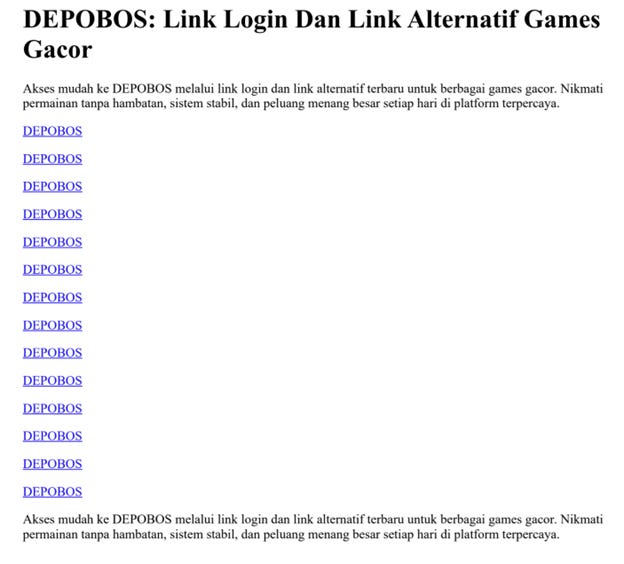
But amidst this unsettling experience a clear realization surfaced: I saw my own emotional and mental limitations in this entrepreneurial journey. If I were going to do this alone, at least I would have to have the right tools with the right Customer Support.
After the initial shock wore off, I began searching for more secure, supportive hosting solutions. That’s when everything changed.
The Discovery That Changed Everything
Because of THE-GUY-WHO-STOLE-MY-WEBSITE, I discovered Ghost and its founder, John O’Nolan. I immediately got inspired, and I’m falling deeper in love with the story behind Ghost as I learn it and use it to host my PlayfulProcess website—a true Indie Hacker story.
To understand Ghost’s origin, you need to know about WordPress. On May 27, 2003, Matt Mullenweg and Mike Little introduced the first version of WordPress, built on an abandoned blogging platform called b2/cafelog. They made it Open Source, which means anybody could work with it for free. What started as a simple blogging tool grew into something much bigger. Today, WordPress powers over 43% of all websites.
But by 2012, John O’Nolan—who had been deputy head of the WordPress UI team—felt frustrated. WordPress had evolved from its humble blogging roots into a complex content management system. In November 2012, he wrote a blog post about his vision for something different: a platform focused purely on publishing, not general website building.
That single blog post went viral, reaching the top of Hacker News and garnering over 30,000 email signups from people who wanted this simpler publishing platform. No product, no company—just a vision articulated clearly and a simple email capture form. The post struck such a chord that when they launched their Kickstarter campaign in April 2013, they raised £196,362 in just 29 days.
Today, Ghost generates around $7.5M in annual revenue as a distributed non-profit foundation which gives away all of its intellectual property under a permissive MIT license. The company has no investors and, in fact, no owners of any kind. He’s living HIS dream instead of chasing “THE” dream.
What makes Ghost’s story so compelling isn’t just its success—it’s O’Nolan’s fundamental approach. Instead of asking “What’s the next unicorn I can flip for maximum profit?” he asked himself: “How can I build a company that I want to work for throughout my life?”
More than anything, O’Nolan inspired me to do what feels right without questioning. All of his decisions felt like a natural progression. He had an internal sense of direction about his next step. A very “Tollean“ concept that I am trying to live by.
My Own Vision: Building Recursive.Eco (formerly Jongu)
O’Nolan had his WordPress experience and vision for better publishing tools. I have my own vision: building a co-creation platform where people can choose collaboration over competition, starting with journaling tools that could be accessible to everyone and also serve as marketing for mental health professionals.
With consistency and patience, I am positive I will enjoy the ride and build something meaningful over the next couple of years. So I started building. Not the massive platform I originally envisioned, but smaller, focused prototypes that address real needs:
AI-powered kids’ story creation tools - For families separated by distance who want to create magical moments together, even when apart. Or simply for parents who know what they want to teach their kids, but want some creative inspiration to transform it into a story.
DIY short movie creation guides - Because meaningful content shouldn’t require technical expertise or expensive equipment.
A Vibe Coding Course for Mental Health Tools - Simple, accessible ways to create interactive AI-powered online tools with Claude.
Each tool reflects what I’ve learned: start small, focus on genuine connection, and make transformation accessible to everyone. When I build tools I need and share them openly, I’m simultaneously creator and user, learner and teacher—roles that traditional business models force us to separate.
Why Indie Hacking Calls to Me
This is why indie hacking resonates so deeply. It’s about creating your own path to freedom and building something meaningful without conforming to external expectations or giving up control to investors who might push you away from your authentic vision.
Gratitude is owed unexpectedly to those setbacks—to THE-ONES-WHO-DID-NOT-DELIVER and THE-GUY-WHO-STOLE-MY-WEBSITE. They weren’t really failures at all—they were tuition for the education I’m getting in real-world building.
I don’t have all the answers. I don’t know if Recursive.Eco will succeed or if my tools will find their audience. What I do know is that I’m following my internal compass, just like I did when I chose vulnerability over games in my relationship, just like O’Nolan did when he chose purpose over profit.
This slower, independent path also lets me pursue what truly calls to me: not just productivity tools or therapy apps, but creating infrastructure for recursive meaning-making. Following Joseph Campbell’s call to reinvent our mythology, I want to build spaces where personal growth and collective flourishing aren’t separate goals but the same recursive process.
The beauty of indie hacking isn’t in following someone else’s blueprint—it’s in trusting your own vision enough to build it, one authentic step at a time.
Want to join this experiment? Check out Recursive.Eco and help shape what digital co-creation could look like. Or explore the tools I’m building for deeper relationships and creative expression.
To learn more about the indie hacker community: Indie Hackers
This journey is far from over. I’m learning in public, building in the open, and trusting that authenticity will guide me to where I need to be.
I learned a lot and can see you are learning a lot too…through process.