

If you just want to try the tool
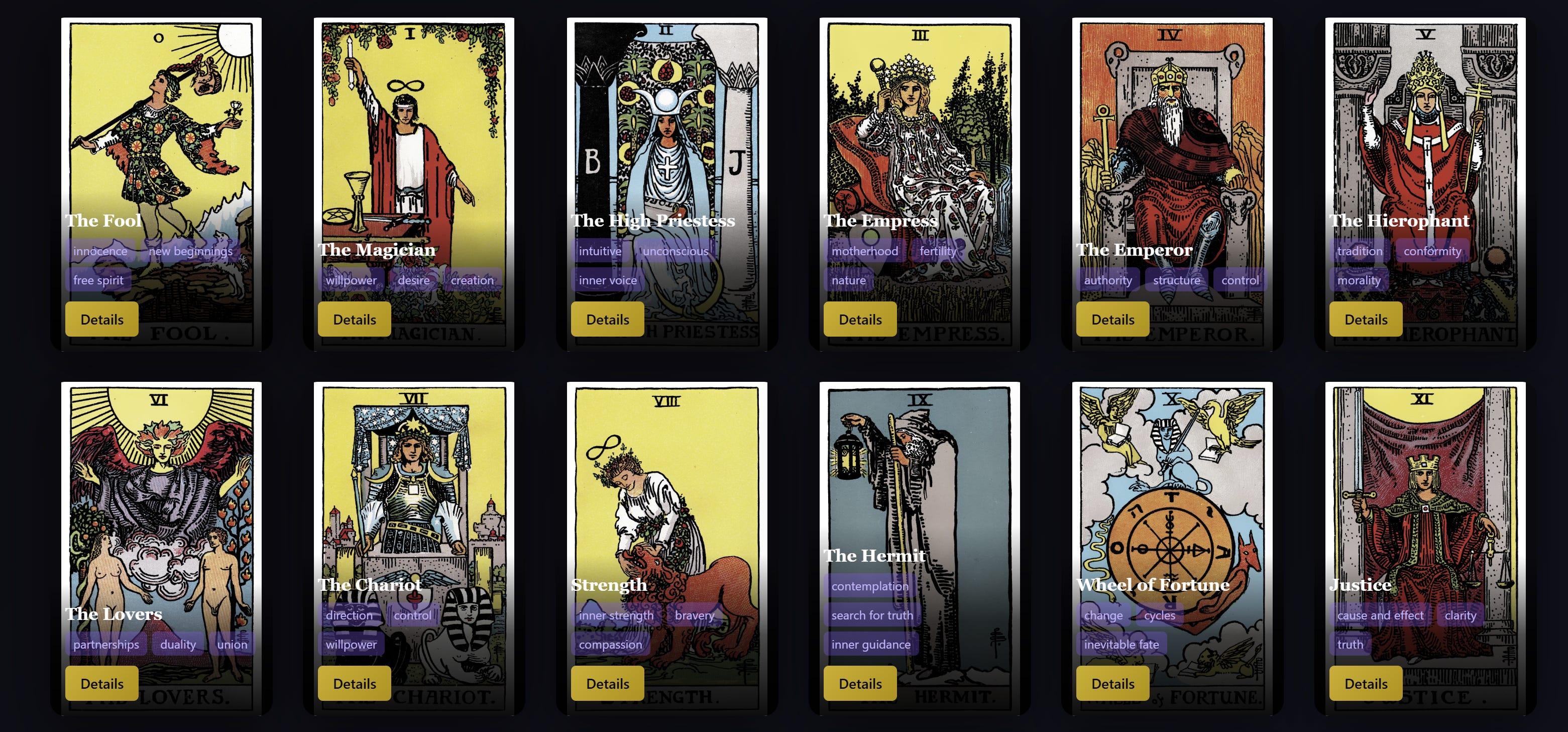
I’ve built something that combines journaling with tarot and I Ching—not to predict futures, but to process the present. It’s at journal.recursive.eco. Almost everything is free. The AI features cost 1 cent per exchange after 10 free interactions, because I believe in access over profit.
If that’s all you need, go explore. If you want the story behind it, keep reading.
The boring truth about journaling (and how I processed it)
Let me be honest: journaling bored me.
I’ve had long stretches of Morning Pages and other techniques. They helped—until they didn’t. Often they drifted into project planning or simply went stale. That frustration led me to build a simple journaling tool months ago: write in one window, dialogue with AI in another.
But I barely used it.
I’d open the page, feel pressure to write something meaningful about my day or my feelings, type a few tired lines, and close it. Or I’d fall into long, circular AI conversations. Something was missing.
Then I noticed a pattern. Whenever I pulled a tarot card first—or threw I Ching coins—writing came alive. I wasn’t facing a blank page anymore. I had a conversation partner. Not something mystical predicting my future, but a mirror offering better prompts than any journaling method I’d tried.
That’s what I built into the tool.
It’s journaling with a Jungian twist: symbols that lead you into corners of yourself you didn’t know how to reach. It’s also CBT-adjacent—loosening rigid narratives, reframing thoughts, opening alternatives. There’s a touch of esotericism too, which still challenges both my agnosticism and my faith.
But most importantly, it’s fun. Because processing life shouldn’t feel like duty.
Why symbols matter (especially when you’re stuck)
A personal moment made this clear.
Not long ago, my manager gave me a negotiation book. We thought it would teach tactics and leverage. Instead, it taught something far more uncomfortable: before you negotiate anything, you need to know what you actually want.
That landed hard. I saw how often we rush into strategies without clarifying values. We optimize without direction. We plan futures without understanding the present.
This is where symbols help.
Symbols bypass our defenses. When you pull The Tower, you’re not being told your life will collapse. You’re being invited to ask: What feels unstable? What needs to fall? What am I afraid of losing that I may have already lost?
As Jung knew, symbols aren’t signs with fixed meanings. They’re doorways. And unlike the detached “objective” stance modernity loves, symbols invite relationship—with yourself, with meaning, with mystery.
That’s why this tool exists. It grew out of my own needs, my own stuck places, my own boredom. It’s deeply tied to the practice—and the world—I’m trying to build as I move toward becoming a therapist.
My winding path to this tool
The path wasn’t straight.
I’ve sat with therapists who insisted my patterns came from childhood abuse I don’t believe happened. Others turned sessions into critiques of my partner instead of helping me clarify whether certain habits were addictions—or simply tools.
I’ve worked with tarot readers too. One advised me to focus on a single niche because it would be better for SEO. That may have been practical, but it felt completely misaligned. Tarot doesn’t work like that. Because of their symbolic nature, cards tend to reveal worldviews more than they deliver “pure messages”—and the same is true of readers, including ourselves.
These experiences didn’t make me reject therapy or tarot. They showed me how vulnerable it can feel to hand over interpretive authority—to let someone else define your meaning.
There are practitioners I deeply respect and would love to work with long-term. Some served me well in the past and taught me how to carve my own process. For now, I’m living that process myself.
The recursive spiral back to oneself
Over time, I learned something simple: external guidance matters—but it isn’t enough. The most meaningful practices help you become your own guide. That’s why this space treats tarot and symbols as invitations, not instructions. You bring your meanings. The tool facilitates the dialogue.
I’m expanding it slowly—adding public-domain decks, publishing my own, and eventually allowing anyone to create their own cards and meaning with ease. Because creating symbols is itself a form of processing.
When you design a card, name an archetype, and choose an image, you’re no longer consuming wisdom—you’re authoring it. Wisdom can’t be consumed; it has to be felt, processed, and embodied from within.
This tool exists so you have something you can return to on your own terms—a place to process with support, reflection, and gentle AI mirroring, without surrendering your inner compass. If a community forms around this naturally, I’d love that. For now, I’m content offering my process and opening the invitation.
Tarot, spirituality, and returning to the center
Tarot is considered spiritual by many—and I want to name that clearly. Across the spiritual paths I’ve explored, the ones that felt most real and ethical had something in common: they didn’t pull me away from myself. They returned me to my center.
They emphasized authenticity over obedience, integrity over certainty, courage over comfort.
That’s why thinkers like Paul Tillich (The Courage to Be) or Parker J. Palmer (Let Your Life Speak) feel deeply spiritual to me, even though they aren’t spiritual systems. They don’t tell you who to be. They help you listen for who you already are.
The paths that worry me are the ones that promise answers, certainty, or superiority—paths that ask you to surrender your inner compass in exchange for belonging. This tool is built in the opposite spirit.
Tarot, here, is not doctrine. It’s dialogue.
Not destiny—but discernment.
If it brings you closer to your own voice, values, and integrity, it’s doing its job. That, to me, is both therapeutic and spiritual.
The invitation
This isn’t fortune-telling. It’s reflective practice. It’s finding your ground in a world that profits from keeping you ungrounded. It’s choosing dialogue over dogma and process over product.
Use it in the morning. Use it when you’re stuck. Use it when you don’t yet know what you want.
Pay what you can, when you can. What matters is access to your own process. The most important thing you can contribute, if this resonates, is your own process—so that, over time, this can grow into a community.
I dream of people sharing interpretations, card designs, reflections, and supporting each other’s processing—just as I hope parents will build communities around my kids’ tools, creating safe and generative spaces together.
I have about thirty subscribers right now. I’m not trying to grow fast or be loud. I’m committed to building good tools for people who need them.
Because in the end, this is about trusting that you already carry the wisdom you need. Sometimes you just need better questions to hear it.
With care and curiosity,
PlayfulProcess
Great thoughts and a new approach to Tarot for me: it is all about asking questions, not about finding ready answers. I enjoyed reading it a lot. Thanks.